
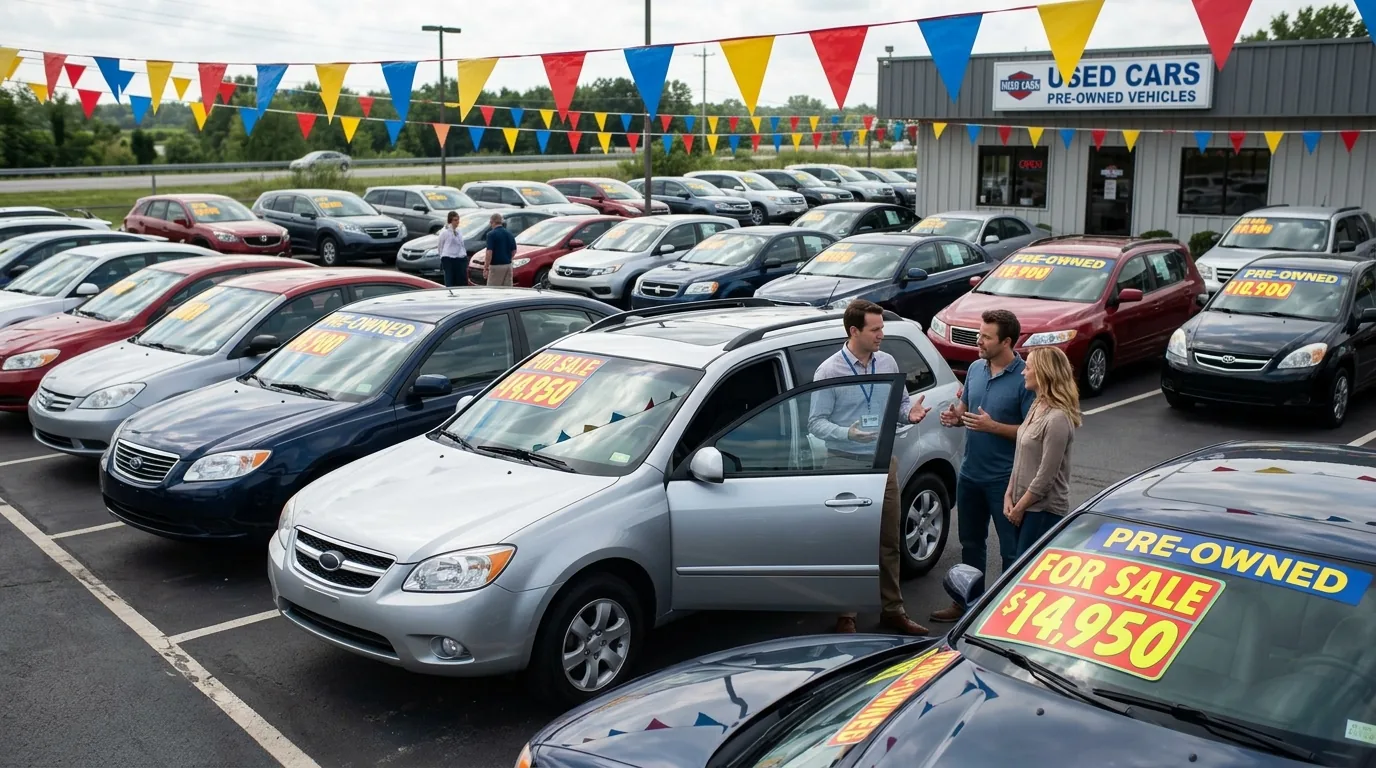
Walking into a Perth used car dealership without a plan can waste time and let your budget drift. A bit of preparation at home keeps the visit focused on cars that actually suit you and cuts down on time spent looking at the wrong ones.
Define what you need and what you can spend
Start with how the car will be used day to day. Count the seats you need most weeks. Think about parking size and boot space for the school run or freeway commute. If child seats are part of life, note how many you use and whether you’ll need room for a pram as well. That list stops you falling for a car that looks good but doesn’t fit your routine.
Set a clear budget range before you leave home. Look up Redbook values for the models you like so you know what’s fair. Ask what’s included in the drive-away price and how registration transfer is handled. In Western Australia transfer duty and registration timing can affect the total, so get those numbers in writing. Don’t rely on memory.
Include running costs in your budget alongside the sticker price. Fuel use and insurance can differ a lot between a small hatch and a large ute. Get a couple of insurance quotes while you’re still at home. For your top picks, compare those quotes and check fuel use before you visit, because ongoing costs affect what you can afford just as much as the purchase price does. Keep those numbers with your budget so you can refer to them rather than stretching too far on the day.
Bring a folder on your phone or on paper for quotes and screenshots.
Shortlist stock and confirm before you drive over
Pick three or four cars from the dealership’s online stock that match your list. Compare year and kilometres alongside service history notes and price. Note which ones have full logbooks and clear photos of the interior. Browsing car sales perth to compare stock and pricing before you arrive saves time and helps prevent a wasted trip. When you call, ask what documents to bring for ID and payment so you don’t have to make a second trip across town in peak traffic. Call or message ahead to confirm the cars are still available and to book a time to see them.
Ask where each car is stored and how much time you should allow. Some dealerships hold stock across two sites. That one call helps you plan the visit around where the cars actually are.
Take screenshots of the ads with the price and kilometres shown. Prices and cars can change fast on weekends. You’ll have a record of what was listed when you called.
Line up licence, checks and help
Bring your driver’s licence. The dealership will need it for ID and for any accompanied drive. Keep it somewhere easy to reach so you’re not digging around at the counter when it’s time to take a car out.
Run a $2 PPSR search on each shortlisted car before you visit. The certificate shows recorded finance interests and write-off details. It’s not a guarantee the car has no money owing and it’s not a mechanical report. Match the VIN on the search result with the VIN on the car documents when you inspect.
If you want an independent check, book a mechanic before you go. Tell the dealership you may want to arrange an inspection if you decide to go ahead. Bringing notes can make the visit calmer than trying to remember everything while you’re looking at a car. If you use child seats, bring one along to test the fit and check the anchor points are easy to reach.
Pack questions, trade-in proof and payment plan
Write down a couple of questions for each car. Ask about service history and logbooks, and ask to see the condition report. Ask whether the car qualifies for a statutory warranty, taking its age and odometer reading into account, and get any applicable cover and exclusions in writing.
If you have a trade-in, bring its service records and a Redbook printout. Clean it out and note any damage honestly. Those records help you make a case for a fair trade-in figure.
Finance pre-approval is optional but it helps. It keeps talks on the car price and stops the budget creeping up on the day. Keep proof of approval and ID together, and keep a copy of every quote the dealership gives you. Having the paperwork in order makes it easier to refer back to the figures.
Allow time for a proper look and drive
Allow at least an hour for the visit, longer if you plan to see two cars. Perth traffic can be slow, so leave enough space between appointments. There’s no need to rush the look-over.
Think about a drive route that matches your normal week. Include a freeway section on the Mitchell Freeway or Kwinana Freeway and some suburban stop-start streets. That mix lets you assess brake feel and how the air-con copes. Keep the stereo off for part of it so you can hear odd noises.
Use the same loop for each car you like. You’ll notice differences much faster back to back. Don’t feel pushed to decide on the spot.
Good preparation makes it easier to compare used cars you’ve already checked, even at a busy dealership. You’ll ask better questions and leave with figures you can use to make your decision. Take the time you need to compare them before committing to a car.