
Key Takeaways
Water-cooled UV curing systems deliver consistent performance even in extreme temperatures, often surpassing traditional air-cooled solutions by effectively dissipating heat, thus preventing early failures.
Engineered for durability, these systems excel in high-demand industrial scenarios where unwavering performance and longevity are essential for lowering failure rates and boosting operational efficiency.
With enhanced resistance to debris and contaminants, water-cooled UV curing systems facilitate smoother operations and fewer disruptions compared to their conventional counterparts.
Thanks to effective thermal management, they speed up curing times considerably, saving crucial time in fast-paced industries where each second counts.
In practical applications, significant gains are clear; for example, a packaging manufacturer noted a 35% boost in curing efficiency after transitioning to water-cooled systems, underscoring the technology’s competitive edge.
Advancements towards sustainability in water-cooled UV curing are centered on minimizing energy usage and waste while adopting eco-friendly materials, aligning with the industry’s commitment to greener practices.
The future holds exciting innovations for water-cooled UV curing, with expectations of AI and smart technologies being integrated to enhance operational control and automate processes, driving manufacturing efficiency to new heights.
Why Water-Cooled UV Curing Systems Are Essential for Tough Environments
Unmatched Performance in Extreme Temperatures
In various industrial environments, extreme temperatures can drastically affect equipment and processes. Water-cooled UV curing systems shine in these situations, maintaining consistent performance where standard options may struggle. When the heat rises, traditional air cooling often falls short, leading to failures or inefficiencies in the curing process. The essence of it is this: water cooling effectively draws heat away from vital components, ensuring optimal operating conditions.
This reliability is crucial for sectors like aerospace and automotive, where high tolerances and durability aren’t just preferred; they’re mandatory. By implementing these systems, businesses secure dependable bond strength in coatings and adhesives, enabling long-lasting applications. The cooling medium effectively absorbs heat, allowing UV lamps to perform efficiently without succumbing to thermal degradation.
What does this mean for companies? It translates to reduced downtime, lower maintenance expenses, and enhanced overall productivity. Many businesses observe that switching to water-cooled systems not only increases output but also improves product quality.
Durability: The Key to Reliability in Industrial Applications
Consistency in manufacturing hinges on durability, and this is where water-cooled systems truly excel. Built to endure tough environments, these systems are made for longevity. Materials that face wear and tear crave solutions that won’t buckle under pressure. Water-cooled UV curing systems are crafted for demanding applications, ensuring sustained hardness and resilience.
Data indicates that companies using these systems see decreased failure rates and heightened operational efficiency. In high-volume production lines, boosting efficiency directly correlates to increased profitability. Manufacturing partners who focus on durability often find that their products compete effectively, taking full advantage of the long-term benefits offered by water-cooled technology.
Combating Challenges from Debris and Contaminants
In many industrial landscapes, encounters with debris and contaminants are practically inevitable. Water-cooled UV curing systems incorporate features that enhance their resistance to these challenges. Built-in protective elements serve to lessen the impacts of pollution and environmental stress. Simply put, stronger systems mean fewer interruptions.
Users often report smoother operations and fewer contamination problems. When put side by side with conventional systems, water-cooled options provide a vital advantage in terms of cleaning cycles and maintenance schedules. This resilience allows businesses to acquire solutions that not only perform but perform efficiently, enhancing uptime and operational speed.
“The ability to function in hostile environments without compromise is what distinguishes water-cooled UV curing systems.”
How Water-Cooled Technology Enhances Curing Efficiency
Understanding the Science Behind Water-Cooling
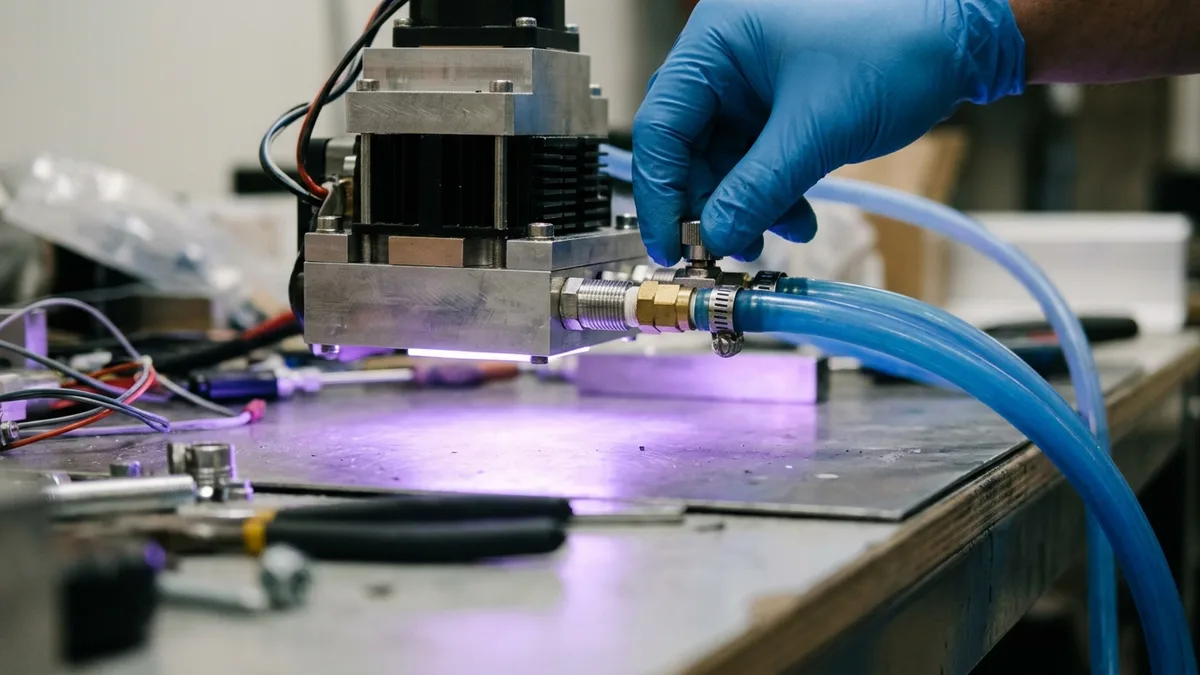
The mechanics of water cooling are both simple and remarkably effective. Water acts as a thermal transport medium, soaking up heat emitted by UV lamps and other integral components. This capability enables consistent operation at higher intensities without the risk of overheating – a typical challenge faced by air-cooled systems.
So, what’s the takeaway? The efficiency stemmed from effective temperature regulation directly correlates to quicker curing times. In fast-paced fields where every second is valuable, achieving optimal curing speeds can translate to monumental time savings across workflows.
- Direct heat transfer efficiency
- Consistent operating temperatures
- Lower overall energy consumption
Maximizing Output with Precision Engineering
Precision engineering in water-cooled UV systems leads to enhanced curing quality. With advanced configuration options available, operators can tailor their setups to align with specific application needs. These systems are adeptly designed to work seamlessly with manufacturing processes, maximizing their output potential.
Curious about how custom solutions can transform performance? Manufacturers equipped with versatile setups can enjoy not only improved adhesion but also minimized waste. By pinpointing the right parameters, every cured unit aligns with rigorous specifications, reducing instances of rework or defects.
Comparative Analysis: Air-Cooled vs. Water-Cooled Systems
Comparing air-cooled and water-cooled systems sheds light on efficiency differences. An air-cooled system relies on ambient conditions, exposing its components to unpredictable environmental variables. This can cause performance fluctuations. Conversely, water cooling standardizes temperature management, highlighting significant differences in operational capability.
- Heat dissipation: Water-cooled systems excel at managing heat.
- Energy efficiency: Less heating required means reduced power costs.
- Longevity: Better cooling results in longer-lasting components.
Real-World Applications of Water-Cooled UV Curing Systems
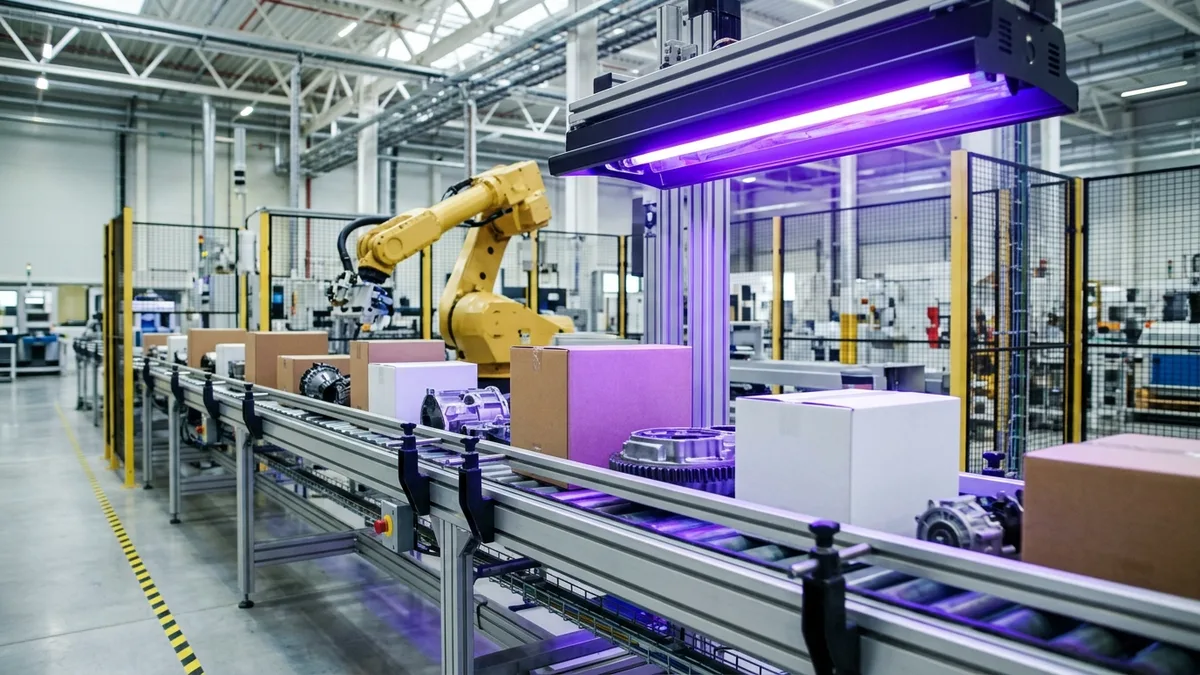
Transforming Manufacturing Processes Across Industries
Across multiple sectors, water cooled UV curing systems are altering the landscape of traditional manufacturing practices. In the electronics field, these systems address the unique challenges presented by high-speed production environments. Precise curing upholds circuit integrity, providing significant benefits over traditional methodologies.
Similarly, technology in automotive coatings enhances surface finishes and adhesion levels. Here’s a practical insight: investing in water-cooled systems routinely leads to superior product quality and increased customer satisfaction. These advancements provide manufacturers with a distinct competitive advantage as they meet the demands of an increasingly stringent market.
Case Studies: Success Stories from Diverse Sectors
Many organizations have adopted water-cooled systems with remarkable outcomes. A case in point is a leading packaging manufacturer that saw a 35% increase in curing efficiency after utilizing a water-cooled UV curing solution. This transition not only resulted in time savings but also notably improved overall product quality.
Another example features an automotive parts manufacturer that reported a 50% reduction in production waste after moving from air-cooled to water-cooled systems. Such dramatic shifts illustrate the tangible impact of technology choices.
Innovations in Adhesive Bonding and Coating Solutions
The latest advancements in water-cooled UV curing systems bring fresh perspectives to adhesive bonding and coating solutions. These innovations enable adhesion on a range of substrates – from plastics to metals – all while preserving integrity. New formulations are being developed to fine-tune performance across varied conditions. The goal remains clear: achieving stronger bonds and superior finishes.
Thanks to water-cooled technology, manufacturers can leverage faster curing times, boosting throughput. What’s the bottom line? Implementing innovative curing solutions provides a sharper competitive advantage.
Future Trends in UV Curing Technology and Water-Cooling
Embracing Sustainability: Eco-Friendly Advancements
As industries progress, sustainability emerges as a crucial motivator in tech advancements. Water-cooled UV curing systems play a vital role in this evolution. The potential for eco-friendly manufacturing relies on the reduction of energy usage and waste generation. Water cooling supports this vision by delivering excellent energy efficiency while minimizing environmental impacts.
New innovations are paving the way for biodegradable materials in curing formulations, emphasizing the industry’s commitment to environmental responsibility without compromising performance.
Integrating Smart Technology for Enhanced Control
Experts strongly promote the incorporation of smart technology to heighten control over curing processes. Real-time data analytics offer operators feedback, enabling them to fine-tune performance metrics. Picture this: remote adjustments to settings or monitoring through predictive maintenance tools. Such control not only improves efficiency but also plays a significant role in ensuring product quality.
- Remote monitoring systems
- Automated feedback loops
- Data-driven decision-making
Experts Predict: What’s Next for Water-Cooled Systems?
Looking ahead, optimistic predictions abound for water-cooled UV curing systems. As industry leaders explore new horizons, advancements will bolster reliability, efficiency, and flexibility. Innovations that weave in AI-driven capabilities to streamline automation processes and enhance user experiences are on the horizon.
It’s anticipated that the next wave of technology will also hone in on miniaturization, making these powerful systems more accessible to smaller businesses. Clearly, the future is promising and expansive.
“Water-cooled UV curing systems are poised to redefine manufacturing efficiency in ways we can only begin to imagine.”
As sectors adjust to emerging challenges, water-cooled UV curing technologies will undoubtedly drive future innovations. Adopting these systems now positions companies to stay ahead in an ever-evolving landscape.
FAQ
What are the maintenance requirements for water-cooled UV curing systems?
Typically, maintenance for water-cooled UV curing systems focuses on monitoring water quality and keeping the cooling circuits free from debris. Regular inspections and cleaning can maximize efficiency, while frequent checks of seals and connections help prevent leaks.
How do water-cooled systems impact energy consumption compared to traditional methods?
Water-cooled systems considerably lower overall energy consumption by sustaining optimal operating temperatures, which in turn reduces the power needed for effective curing. This improved efficiency not only cuts costs but also lessens the environmental footprint related to production processes.
Can water-cooled UV curing systems be retrofitted into existing setups?
Yes, retrofitting water-cooled systems into pre-existing UV curing setups is indeed possible and often advantageous. Many manufacturers provide modular components that integrate seamlessly with older systems, offering a straightforward route to boost performance and durability.
What types of industries benefit most from water-cooled UV curing systems?
Sectors such as electronics, automotive, and packaging are significant beneficiaries of water-cooled UV curing technology. These industries demand high-performance solutions that meet rigorous quality requirements and efficiency standards, especially in challenging conditions.
Are there specific types of products or materials that work best with water-cooled UV curing?
Water-cooled UV curing is particularly effective with a diverse array of materials, especially those needing strong adhesion like plastics and metals. Its adaptability allows manufacturers to produce reliable products across numerous applications, enhancing adhesion and finishing quality.
What future innovations are anticipated for water-cooled UV curing systems?
Future innovations may see greater integration of AI and smart technologies to refine curing processes. Anticipate developments in remote monitoring capabilities, predictive maintenance, and enhancements in energy efficiency as industries continue to evolve.
How do businesses measure the return on investment for switching to water-cooled systems?
Businesses can assess ROI by tracking improvements in production efficiency, reductions in waste, and declines in maintenance costs. Numerous companies report notable increases in output and quality, which collectively contribute to better profit margins.
What challenges might businesses face when transitioning to water-cooled UV curing systems?
Transitioning to water-cooled systems may necessitate adjustments in operational protocols and training for staff members. Nevertheless, with adequate planning and support from manufacturers, these challenges are often manageable, leading to long-term advantages.
Useful Resources
- American Technological Institute (ATI)– An organization devoted to furthering the knowledge and applications of technology across various industries.
- ASTM International– A globally recognized leader in establishing voluntary consensus technical standards for materials, products, systems, and services.
- University of California, Irvine – Department of Computer Science– Provides invaluable research and resources linked to advancements in technology, including smart systems and automation.
- National Institute of Standards and Technology (NIST)– Offers extensive information on standards concerning manufacturing efficiency and technological innovations.
- Engineering Toolbox– A comprehensive resource for engineers and industry professionals, featuring tools and insights on thermal management and cooling systems.
- Tech Briefs Media Group– Publishes product development news and advancements in engineering technologies, including UV curing systems.
- Association for Information and Image Management (AIIM)– Provides insights into smart technology and data management within industrial processes.
- The Association of International Metallizers, Coaters and Laminators (AIMCAL)– Delivers information on coating technology in manufacturing, particularly concerning UV curing applications.
- Semantic Scholar– A free, AI-powered research tool for scientific literature, where studies related to UV curing and manufacturing processes can be discovered.