
Understanding Common Pipe Problems: What Every Homeowner Should Know
Every homeowner should be aware of the common issues that can arise within their plumbing systems. While a properly maintained system can serve a home for many years, neglect often leads to serious and expensive repairs. Trusted providers like Midstate Plumbing emphasize the importance of early detection and routine maintenance to prevent problems from escalating. From leaking pipes to stubborn blockages, having a clear understanding of these issues allows homeowners to act quickly and effectively, minimizing damage and reducing costs. This section explores the most common pipe-related problems, equipping you with the knowledge to identify and address them before they worsen.
The Sneaky Signs of Pipe Leaks: Are You Aware?
Pipe leaks are often subtle at first, making them one of the most insidious plumbing problems homeowners face. A small leak can go unnoticed for months, manifesting only when damage has escalated into larger issues such as mold growth, structural damage, or increased water bills. Signs of a leak may include damp spots on walls, ceilings, or floors, the sound of running water when no fixture is in use, and unexplained increases in water consumption. Sometimes, leaks can even generate a musty odor or attract pests, necessitating swift action. Tools like moisture meters and thermal imaging cameras can help identify hidden leaks in your home, allowing you to target repairs where they’re most needed.
Clogs and Blockages: The Causes Behind Your Drain Troubles
Clogs and blockages are among the most common plumbing complaints reported by homeowners. These issues often result from a variety of culprits, including grease buildup, hair accumulation, food particles, and, in some cases, tree roots infiltrating underground pipes. Regular maintenance and preventative measures are key to avoiding such clogs. Homeowners can benefit from using strainers in sinks and tubs, mindful disposal of kitchen waste, and periodic snaking of drains to clear out any build-up before it leads to a block. Recognizing the early warning signs of a clog such as slow-draining sinks or gurgling sounds can allow homeowners to address minor issues before they escalate into more serious plumbing challenges.
Corrosion: The Silent Saboteur of Your Plumbing System
Corrosion can be a silent yet devastating force within plumbing systems, particularly in older homes with galvanized steel pipes. Corrosion occurs when the metal of pipes interacts with water and oxygen, leading to rust formation that can weaken pipes and create leaks. Factors contributing to corrosion include water acidity, mineral content, and poor water quality. Homeowners should consider regular water quality testing to identify potential corrosive agents and address them. It may also be wise to invest in corrosion-resistant materials such as PVC or PEX when planning renovations or repairs. An experienced plumber can inspect your pipes and recommend the appropriate steps to mitigate corrosion and extend the life of your plumbing system.
DIY vs. Professional Help: When to Call in the Experts
Determining whether to tackle pipe issues yourself or hire a professional can be daunting. While some plumbing problems are suitable for DIY solutions, others require expertise and specialized tools. Understanding where the line is drawn can save you time, money, and frustration. This section aims to equip homeowners with insights into which repairs they can confidently undertake and when it’s best to seek professional plumbing assistance.
The DIY Approach: Feasible Fixes for Simple Pipe Issues
For homeowners who are handy and equipped with the proper tools, some DIY fixes can effectively address minor plumbing issues. Tasks such as clearing a minor clog with a plunger, replacing a faucet washer to stop drips, or repairing a leaky toilet flapper are all manageable for those with basic home repair skills. There are numerous online resources, including video tutorials and step-by-step guides, that can assist DIY enthusiasts in executing these repairs properly. However, while tackling small jobs can empower and save money, it is crucial to remember that plumbing systems are complex, and some jobs may lead to more significant issues if not done correctly. Being honest about your skills and comfort level with plumbing is essential when deciding whether to dive into a DIY project.
Your Plumber’s Toolbox: Essential Tools for Effective Repairs
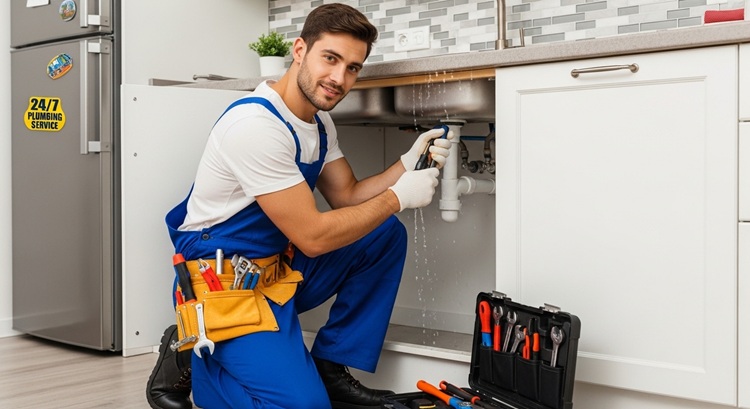
When it comes to plumbing repairs, having the right tools is critical for success. A well-equipped toolbox can save time and ensure that tasks are completed efficiently. Some essential tools for any homeowner include a pipe wrench for tightening and loosening pipe fittings, a basin wrench for hard-to-reach areas under sinks, and a plumber’s snake for removing clogs. Additionally, items like Teflon tape for sealing threaded joints, a pipe cutter for cutting pipes cleanly, and a wet/dry vacuum for sucking up spills or blockages can prove invaluable. Understanding your tools and how to use them not only enables home repairs but can also provide a deeper appreciation for the complexity of plumbing systems.
When to Wave the White Flag: Signs You Need Professional Help
While many pipe issues can be remedied with DIY methods, certain situations warrant the immediate attention of a professional plumber. If you encounter persistent leaks despite repairs, a sudden spike in your water bill without an obvious cause, or recurring clogs that resist conventional clearing methods, these are clear indicators that it’s time to call in the experts. Additionally, problems related to water pressure discrepancies or serious issues like sewage backups necessitate professional intervention to prevent further damage and health risks. Recognizing that not every plumbing issue is a do-it-yourself job is crucial for maintaining the integrity and safety of your home.
Preventative Measures: Keeping Your Pipes in Top Condition
As the saying goes, “an ounce of prevention is worth a pound of cure,” and this is especially true in plumbing. Regular maintenance practices can extend the lifespan of your pipes and drastically reduce the likelihood of sudden failures. In this section, we will discuss essential preventative measures that can keep your plumbing system running smoothly and efficiently.
Regular Maintenance: Why It Matters for Longevity
One of the best ways to ensure your plumbing remains in good condition is to establish a regular maintenance schedule. Routine inspections of faucets, showers, and toilets can help catch issues before they become major problems. Homeowners should also consider regular inspections of their entire plumbing system, from visible components to hidden pipes, especially in older homes. Checks for leaks, proper water pressure, and signs of corrosion can uncover potential problems early. Additionally, flushing water heaters annually to remove sediment buildup can lead to improved efficiency and a longer lifespan for your appliance. Investing a small amount of time and money in regular maintenance is far more cost-effective than dealing with extensive repairs caused by neglect.
Seasonal Care Tips: Protecting Pipes from Extreme Weather
Seasonal changes can significantly impact your plumbing system. Cold winters can lead to frozen pipes, while summer heat can cause wear and tear on your plumbing fixtures. Therefore, taking seasonal preventative measures is essential for protecting your pipes. In winter, homeowners should insulate exposed pipes, especially those in unheated areas, and let faucets drip during extreme cold as a precaution against freezing. During summer, it’s important to regularly check outdoor faucets and hoses for leaks and damage, as well as ensure proper drainage around your foundation to prevent flooding. These proactive steps can help homeowners avoid costly repairs and ensure their plumbing system is resilient against seasonal fluctuations.
Smart Upgrades: Innovative Solutions for Modern Plumbing Issues
Investing in modern plumbing solutions is an excellent way to enhance your home’s plumbing efficiency and durability. Smart home technology has made its way into plumbing, offering homeowners innovative solutions such as leak detectors that alert you of issues before significant damage occurs. Additionally, smart irrigation systems can help you manage your outdoor water usage effectively. Upgrading to water-efficient fixtures, such as low-flow toilets and showerheads, can result in significant water savings, making your home more environmentally friendly and reducing your utility bills. Embracing modern plumbing technologies not only provides convenience but also addresses many common plumbing issues in a proactive manner.
Sustainable Plumbing Solutions: Eco-Friendly Options for Your Home
With growing awareness of environmental issues, homeowners are increasingly seeking sustainable plumbing solutions. Not only does this shift help the planet, but many eco-friendly practices save money in the long run as well. In this section, we will explore the different eco-friendly plumbing options available to homeowners and the benefits associated with them.
Water-Saving Technologies: Efficient Fixtures You Should Consider
Water-saving technologies are designed to reduce water consumption without sacrificing performance. Fixtures like dual-flush toilets, low-flow showerheads, and faucet aerators can drastically lower your household’s water usage without noticeable inconvenience. By modernizing your plumbing fixtures to these efficient models, you could see a reduction of up to 50% in water usage. Moreover, businesses and municipalities often provide incentives or rebates for eco-friendly plumbing upgrades, further enhancing the financial attractiveness of these investments. Installing water-efficient appliances is a step toward more sustainable living while also promoting cost savings in your water bills.
Repiping for the Future: When Should You Invest in Green Upgrades?
If your home is over 30 years old, it might be time to consider repiping with eco-friendly materials. Older plumbing systems are often constructed with galvanized steel or lead pipes, both of which can pose significant health risks and often become a liability as they corrode. Newer materials such as cross-linked polyethylene (PEX) or PVC are not only more durable but also recyclable and free of harmful substances. Investing in repiping is a significant upgrade, which can modernize your home while enhancing water quality and efficiency. Consulting with a plumbing professional about the condition of your current system can provide you with insights on your best options for green upgrades.
The Benefits of Eco-Friendly Plumbing Practices: A Win-Win for You and the Planet
Embracing eco-friendly plumbing practices not only contributes to a healthier planet but also leads to substantial financial savings over time. By implementing water conservation strategies, homeowners can significantly reduce their water bills. Additionally, many municipalities offer incentives for adopting green technologies, making the switch more financially feasible. These practices often lead to increased property value as modern, sustainable homes are more attractive on the real estate market. Furthermore, sustainable plumbing solutions align with the growing trend of eco-conscious living, appealing to an increasing segment of environmentally aware buyers. By making informed choices around water waste and plumbing efficiency, homeowners can delight in knowing that they are doing their part for the Earth while enjoying practical benefits at home.