
At the highest level of football, the margins between good and great are razor thin. From sports science to tactical data analysis, elite clubs are always searching for innovations that deliver an edge. One of the more surprising advances in recent years hasn’t come from inside the dressing room, but from the pitch itself—more specifically, how it’s mown.
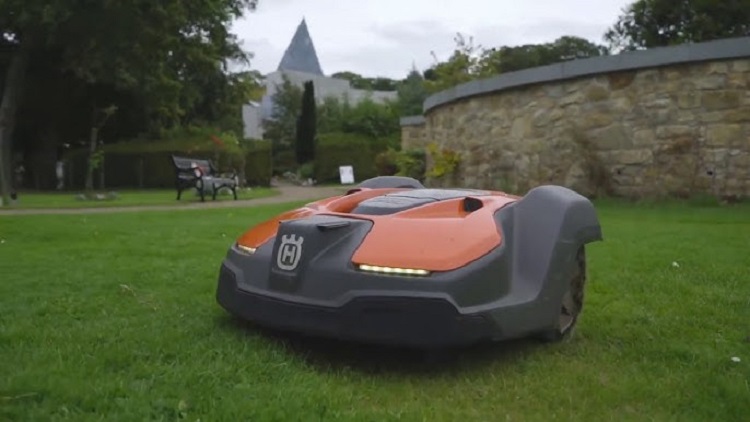
Liverpool FC, one of the most successful and forward-thinking clubs in the world, has embraced robotic mower technology as part of their pitch maintenance strategy. They’ve deployed automated mowing systems across both their training and matchday surfaces, with impressive results.
So why would a club of Liverpool’s calibre choose robot mowers? The answer lies in precision, consistency, and performance—all critical for world-class football.
Robotic mowers operate on a “mow little, mow often” basis. Instead of cutting the grass once or twice a week with heavy machinery, these mowers run daily, trimming just a few millimetres at a time. This method encourages denser, more resilient turf—essential for a playing surface that must perform flawlessly under extreme conditions, from intense training sessions to Champions League fixtures.
Another key benefit is surface uniformity. Autonomous mowers follow consistent paths and cutting heights with GPS-guided accuracy. This eliminates human error, missed patches, and uneven cuts—issues that can affect ball roll, player footing, and visual presentation on matchdays. For clubs like Liverpool, where pitch quality is tied directly to brand and performance, robotic precision matters.
But it’s not just about looks or even grass health. Robotic mowers reduce ground compaction by eliminating the need for heavy ride-on equipment. This helps preserve root structure, improves drainage, and allows the turf to recover more effectively between uses. When combined with Liverpool’s broader pitch management programme—including nutrition, aeration, and irrigation—robotic mowing becomes a key component in a world-class system.
Sustainability is also a driving factor. Battery-powered robotic mowers significantly reduce fuel use and emissions, supporting Liverpool FC’s broader commitment to environmental responsibility. With these machines operating quietly and efficiently, often during off-hours, the club can minimise disruption while meeting modern standards for eco-conscious operations.
This forward-thinking approach isn’t just reserved for Premier League giants. Industry leaders like Ron Smith have helped make robotic mowing technology accessible to clubs at all levels. With years of experience and partnerships with top manufacturers like Husqvarna, Ron Smith has been instrumental in bringing the benefits of automated turf care to community clubs, schools, training grounds, and semi-professional facilities across the UK. The same technology that supports Liverpool’s pitches can now support your local ground too.
For clubs of all sizes, the message is clear: robotic mowing isn’t a gimmick—it’s a practical solution with real, measurable benefits. Whether you manage one pitch or an entire facility, automation can improve turf quality, reduce labour demands, and lower operational costs over time.
Liverpool FC’s use of robotic mowers also sends a signal to the wider football world. It reflects a shift in mindset—from reactive maintenance to proactive turf management, driven by data and supported by intelligent machinery. And in an era where clubs are judged not just by results but by professionalism and innovation off the pitch, these changes carry weight.
As more clubs follow Liverpool’s lead, robotic mowing will become less of a novelty and more of a norm. The technology is here, it works, and it’s already shaping the future of football turf care—from Anfield to your local pitch.