
Key Takeaways
The frequency of septic tank pumping varies based on household size. Small families may need service every three to five years, while larger families typically require it every one to two years.
Symptoms indicating septic system failure include sewage backups, slow drains, water pooling near the drain field, and unpleasant odors. These issues demand immediate action to avoid expensive repairs.
When choosing a septic tank service provider, businesses should emphasize companies with appropriate licensing, relevant experience, favorable customer reviews, and transparent pricing structures.
The cost of septic tank pumping generally falls within the range of $150 to $300 for standard residential tanks. However, larger tanks or necessary repairs may incur additional charges, making routine maintenance a wise financial choice.
Post-pumping maintenance involves limiting water consumption, avoiding non-biodegradable items, regularly inspecting the drain field, and scheduling inspections every three years to maximize system longevity.
Common myths about septic systems assert that only large households require pumping, that chemicals can extend pumping intervals, and that systems demand no maintenance post-installation. All of these notions are misconceptions.
Effective management of septic systems benefits the environment by preventing groundwater contamination, safeguarding drinking water sources, and sustaining local ecosystems. This underscores the importance of responsible pumping practices.
When Is the Right Time for Septic Tank Pumping?
Understanding Pumping Frequency for Different Household Sizes
Establishing the right time for septic tank pumping is vital for maintaining a household’s wastewater system. Local experts commonly advise that pumping frequency mainly depends on multiple factors, particularly household size. For example, a small family might find their tank requires attention every three to five years. Conversely, larger families or those generating substantial waste may need a pump-out every one to two years.
However, what defines a “large” or “small” family? Professionals generally classify households by the number of occupants as follows:
- 1-2 people: every 3-5 years
- 3-5 people: every 2-3 years
- 6+ people: every 1-2 years
Guidelines like these help homeowners maintain their systems effectively, avoiding unexpected failures. Yet, it’s important to consider factors beyond just occupancy when determining pumping frequency.
Indicators Your Septic System Needs Immediate Attention
Sometimes, signs that a septic system needs urgent care can easily go unnoticed. Addressing these emergent issues promptly is crucial. Homeowners should be vigilant for several warning signs, such as:
- Sewage backup in sinks, tubs, or toilets
- Slow drainage throughout the home
- Water pooling near the drain field
- Unpleasant odors in the vicinity of the septic area
If any of these symptoms arise, the system may be close to failure. Acting swiftly can prevent expensive repairs and protect the environment from contamination. Ignoring these problems risks the entire functionality of the household.
Choosing the Right Septic Tank Pumping Service
Key Qualities of a Reliable Local Service Provider
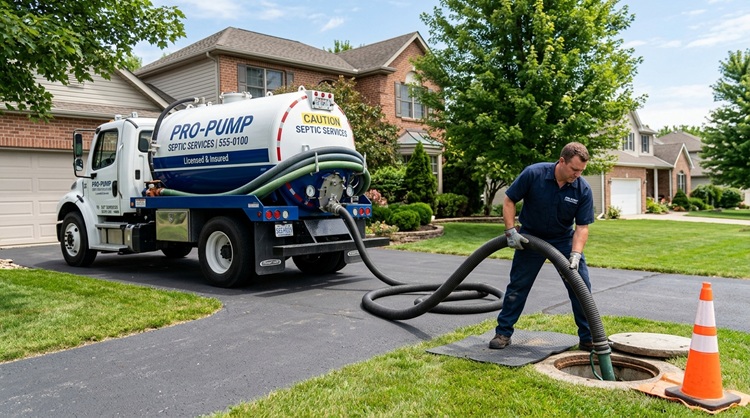
Selecting the appropriate septic tank service provider can seem daunting. With so many options, residents must navigate their choices thoughtfully. Dependable companies often share several key traits. Professionals recommend evaluating potential service providers based on the following criteria:
- Licensing and insurance: Confirm their credentials.
- Experience: Seek out businesses with a long history in the community.
- Reviews and reputation: Look at customer feedback online.
- Clear pricing: Ensure understanding of what services the quoted price includes.
Reliable service providers significantly enhance overall customer satisfaction. Homeowners can expect timely service and expertise when working with trustworthy teams.
Cost Considerations: What to Expect for Septic Services
The costs for septic tank pumping can differ widely, influenced by factors like tank size, location, and any additional services needed. Homeowners typically encounter a general price range, including:
- $150 – $300 for a standard residential tank
- Additional charges for larger tanks
- Possible expenses related to repairs or diagnostics
Maintaining Your Septic System Post-Pumping
Routine Maintenance: Essential Tips for Homeowners
Post-pumping maintenance is essential for ensuring a septic system operates optimally. Implementing effective strategies after service can substantially extend the life and efficiency of the system. Here are some tips recommended by experts:
- Limit water use during peak times to avoid overwhelming the system.
- Avoid flushing non-biodegradable items like wipes and oils.
- Regularly inspect the drain field for signs of pooling or damp areas.
- Schedule system inspections at recommended intervals, usually every three years.
Failing to follow up after pumping could trigger system failures. Consistent check-ups and mindful usage habits ensure continued functionality and longevity.
Common Septic System Myths Debunked
Misunderstandings about septic systems are widespread and often lead to poor practices. Clearing these myths is crucial for homeowners. Here are a few prevalent beliefs that deserve scrutiny:
- Myth: Only large households require septic pumping.
- Myth: Adding chemicals can minimize the pumping frequency.
- Myth: Septic systems need no maintenance after they’re installed.
Grasping the realities behind these misconceptions fosters healthier septic care practices. Awareness can lead to informed decisions and fewer costly issues down the line.
The Environmental Impact of Proper Septic Tank Care
How Responsible Pumping Benefits Local Water Supply
The influence of septic systems reaches far beyond individual residences, significantly impacting local ecosystems. Responsible management and regular pumping of septic tanks play a vital role in maintaining a cleaner water supply. If pollutants seep into groundwater from poorly maintained systems, it can lead to extensive contamination. Well-functioning septic systems serve as critical barriers against nutrient overload in nearby water bodies.
Experts in environmental science note that proper system maintenance can:
- Decrease the risk of bacterial contamination.
- Protect drinking water sources from harmful pollutants.
- Support local aquatic ecosystems by minimizing nutrient runoff.
Therefore, pumping isn’t merely a matter of maintaining the home; it’s a commitment to the health of the wider community and environment.
Best Practices to Minimize Your Septic Footprint
Reducing one’s septic footprint demands intention and care. Homeowners can adopt several best practices that benefit their systems and the environment overall. Suggested actions include:
- Install water-saving fixtures to cut down on waste output.
- Develop landscaping that directs water away from the septic area.
- Teach all family members about correct waste disposal habits.
Each of these measures plays a role in extending the lifespan of septic systems while helping to lessen environmental impacts. Working towards sustainability benefits everyone in the community.
“A small effort today can make a significant difference for tomorrow’s environment.”
By following professional recommendations for septic tank pumping and maintenance, homeowners can ensure longer-lasting systems and healthier surroundings. Engaging with local services is encouraged to keep systems functioning at their best.
FAQ
What signs indicate a well-functioning septic system?
Professionals often highlight several indicators that demonstrate a septic system is functioning well. Smooth drainage, absence of unpleasant odors, and stable water levels in the tank are all positive signs. Additionally, lush green grass around the drain field suggests a healthy system.
Can septic systems handle kitchen waste effectively?
Kitchen waste can pose challenges for septic systems. While small amounts of biodegradable food scraps typically do not present issues, larger quantities can burden the system. Ensuring proper use of disposal systems and being cautious about what is sent down the drain is essential for optimal performance.
Are septic additives necessary for system maintenance?
Experts generally agree that septic additives are unnecessary if the system is maintained correctly. Natural bacteria in the system are more effective at breaking down waste than chemical additives. Most of the time, regular pumping and responsible waste disposal are sufficient for maintaining system functionality.
How does climate affect septic tank maintenance requirements?
Climate plays a crucial role in determining the care needed for the septic tank. In colder regions, frozen ground can lead to stagnant wastewater, while warmer areas may see a rapid breakdown of materials. Homeowners should adjust maintenance schedules according to local weather conditions and soil characteristics to prevent issues.
What do homeowners need to know about site location for septic tanks?
The location of a septic tank is essential for optimal performance. Proper distance from water sources, such as wells and streams, is critical for preventing contamination. Furthermore, making sure systems are installed in well-drained areas helps avoid water pooling or backups.
How do household habits impact septic system longevity?
Household habits greatly affect the longevity of a septic system. Simple practices—such as conserving water and being cautious about what is flushed—can have prolonged implications. Fostering awareness among all household members regarding responsible usage contributes to maintaining the integrity and efficiency of the system.
What should homeowners do if they suspect a problem with their septic system?
When issues arise, timely action is crucial. Homeowners should cease using water and contact a licensed septic service provider. Quick intervention can minimize damage and keep repair costs manageable.
Are there alternative systems to traditional septic tanks?
Yes, there are alternatives for those looking for different solutions. Aerobic treatment units and sand filtration systems are commonly used in areas with stringent regulations or challenging soil conditions. Consulting local experts can help homeowners evaluate the best option tailored to their specific needs.
Useful Resources
- U.S. Environmental Protection Agency (EPA)
- National Environmental Services Center
- U.S. Consumer Product Safety Commission
- National Association of State Sanitary Engineers
- Natural Resources Defense Council
- Cooperative Extension System
- American National Standards Institute (ANSI)
- Water Quality Association (WQA)